
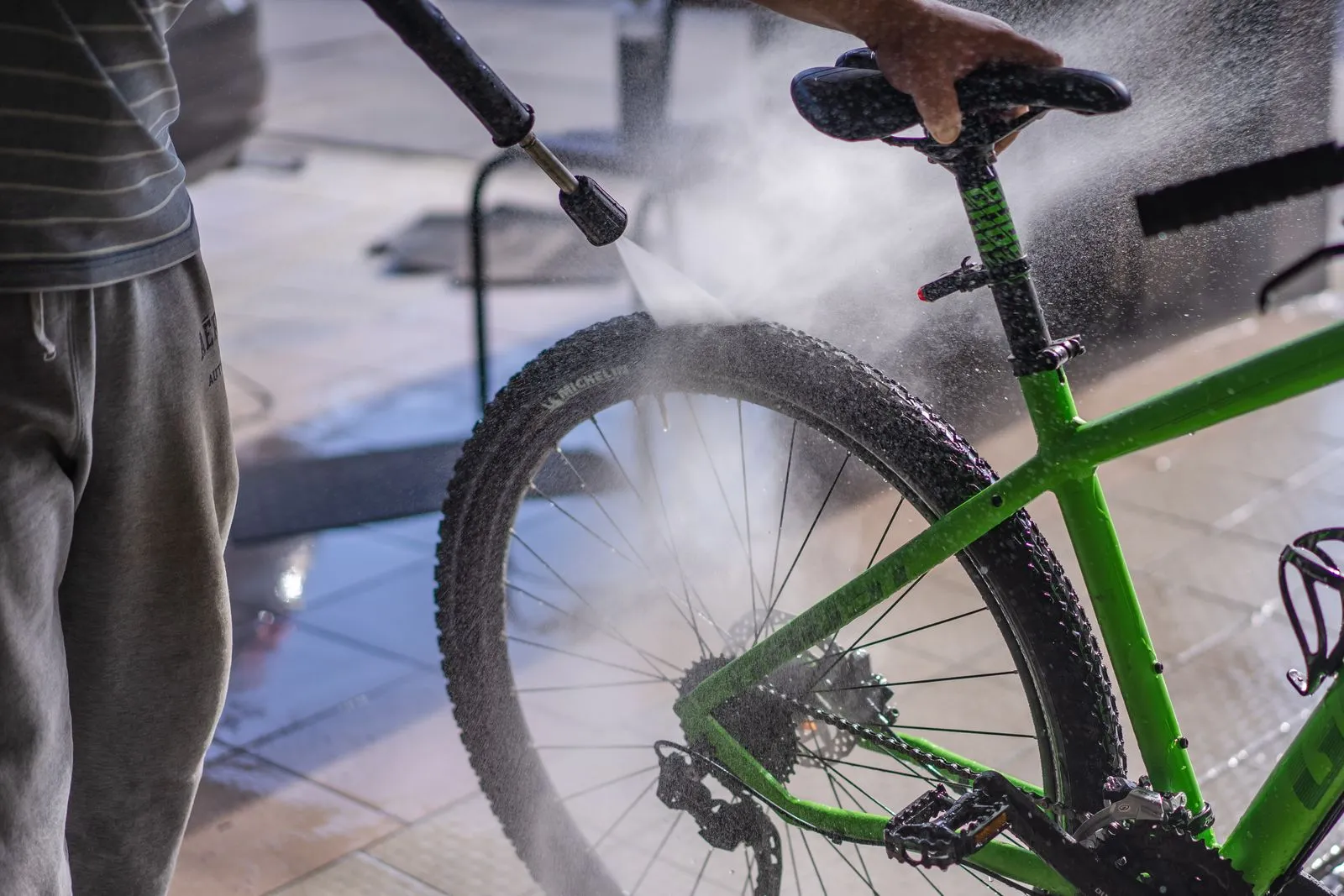
There is no single washing schedule that suits every motorcycle. A bike ridden on dusty country roads, through rain, or on salted winter streets needs attention more often than one kept clean and ridden occasionally. Storage matters, too: a covered, dry space helps protect a motorcycle, while damp or exposed parking can leave grime and moisture on its surfaces. Use your riding conditions as a guide, and inspect the bike regularly rather than waiting for dirt to become obvious.
Adjust for the Roads You Ride
After a ride through mud, dust, sand, or road construction, clean the affected areas soon. Grit can collect around the chain, brakes, suspension, and bodywork. Remove loose dirt with a gentle rinse before wiping surfaces; rubbing dry grit across paint or trim can leave scratches. Check your owner’s manual for guidance on washing sensitive components and approved cleaning products.
Clean the motorcycle promptly after exposure to road salt or salty slush. Salt residue can encourage corrosion, especially on metal parts and fasteners. Rinse carefully with low-pressure water, avoiding direct force at bearings, electrical connections, and other sensitive areas. Once clean, dry the bike thoroughly and follow the manual’s maintenance instructions for the chain and other components.
Let Weather Set the Pace
Rain does not always mean the whole motorcycle needs a full wash. After a wet ride, inspect it for mud, grit, and water trapped around crevices. If the bike is dirty, rinse and dry it; if it is mostly clean, drying exposed surfaces and checking vulnerable areas may be enough. Give the brakes time to dry and test them gently in a safe area before riding normally.
Hot, dry weather can leave dust on the bike, while damp conditions can keep grime and moisture in place. Pollen, insects, and bird droppings are best removed before they sit on painted or finished surfaces for long. Use a cleaner intended for the affected material, follow its directions, and avoid aggressive scrubbing. If you ride often, a quick check after each ride can help you decide whether a wash is due.
Consider Where You Store It
A clean, dry garage or covered space usually means less frequent washing than outdoor parking. Even indoors, dust can settle, and a cover can trap moisture if the motorcycle goes away wet. Let the bike cool and dry before covering it. Choose a breathable motorcycle cover that fits properly, and keep the parking area free of standing water where possible.
If the motorcycle stays outside, inspect it more often for dampness, dust, leaves, and residue. Wash when buildup appears, then dry the bike before putting the cover back on. Avoid leaving a wet or dirty motorcycle covered for long periods. Storage does not replace routine checks: look for corrosion, leaks, or damage while cleaning, and address issues according to the owner’s manual.
Build a Safe, Simple Routine
Use a condition-based routine instead of relying only on a calendar. After each ride, scan for salt, mud, bugs, and anything caught near the wheels or chain. Wash when contamination is present, after particularly dirty or salty rides, or when regular dust and grime start to build up. A cleaner bike also makes it easier to spot leaks, loose parts, or worn components.
Before washing, let hot parts cool and choose a shaded area. Use motorcycle-safe products, soft cloths, and gentle water pressure. Protect openings and sensitive electrical areas as the manual recommends. Avoid spraying directly into bearings, the chain, or brake components, and keep soap and polish off tires and braking surfaces. Dry the bike, lubricate the chain if required, and confirm the brakes work before setting off.
Your best wash schedule depends on what the motorcycle encounters and how it is stored. Clean salt and heavy grime promptly, remove residue before it sets, and inspect the bike often enough to catch problems early. For local motorcycle cleaning in Cheyenne, contact High Plains Moto Wash to discuss a routine that fits your riding habits.